Materials · 7 min read
Quartz, quartzite, soapstone: choosing stone for how you actually cook
Heat, acid, scratches and patina. A fabricator's view of which countertop materials survive which households, and the acid test we run on every quartzite slab.
Nadia KowalczykStone fabrication leadJune 12, 2026
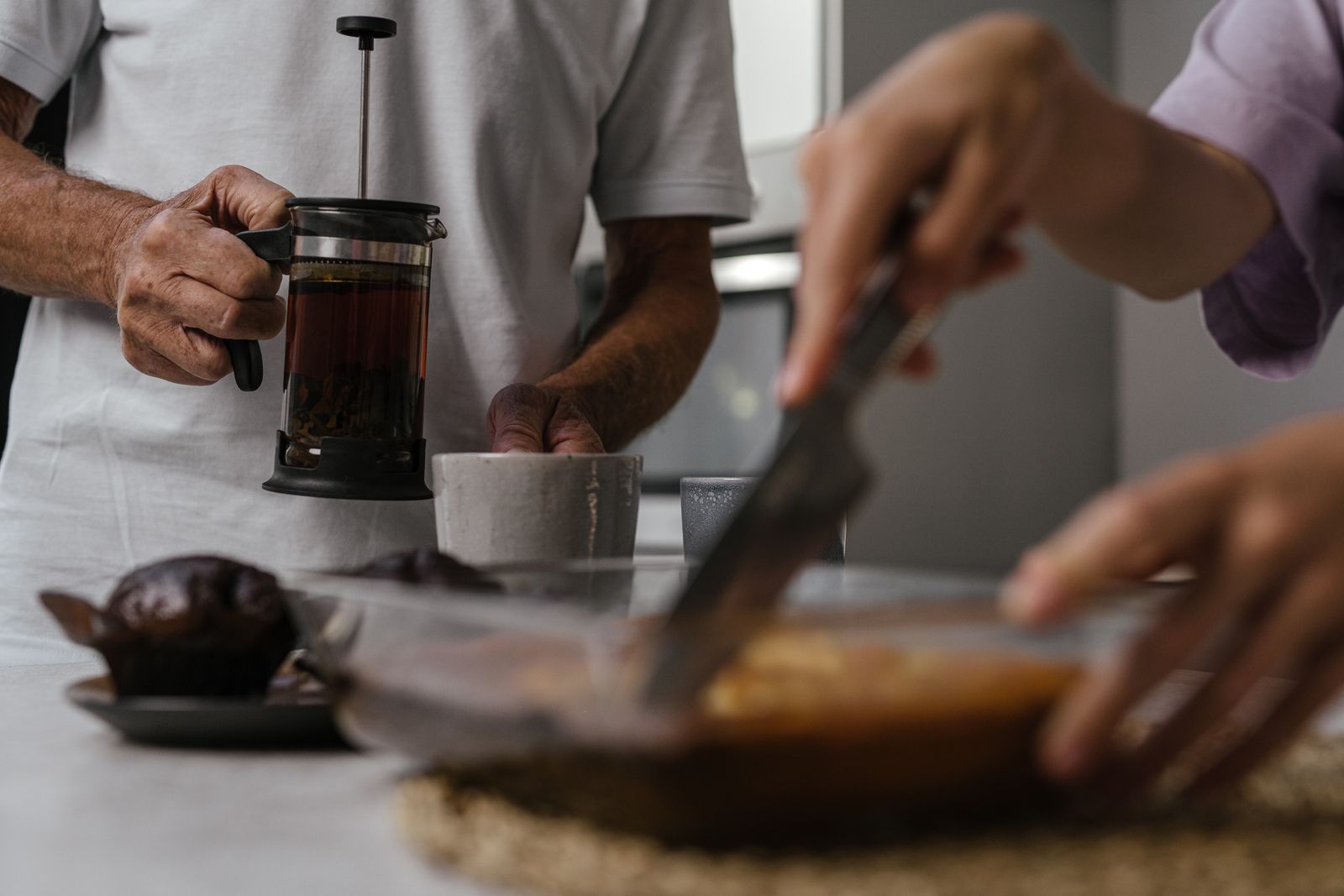
I cut, polish and repair stone every day, which gives me a slightly different view from a showroom. Here is how the common materials behave after five years in a kitchen where somebody actually cooks.
Engineered quartz
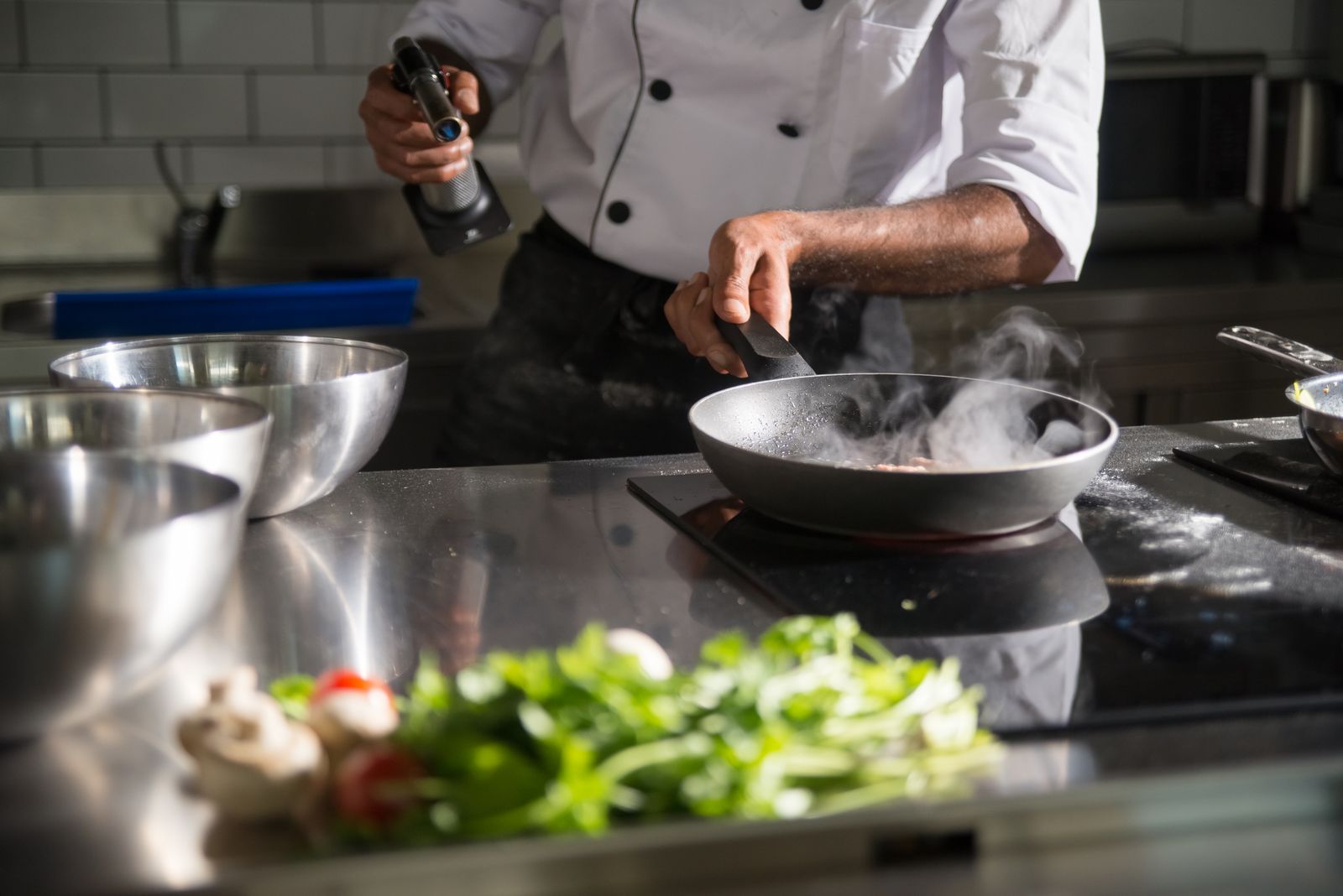
Resin-bound ground quartz. Non-porous, never needs sealing, completely consistent from slab to slab. Its weakness is heat: a pan straight off a burner can scorch the resin, and that mark is permanent. If your household puts hot pans down without thinking, this is the wrong material, regardless of what the brochure says about durability.
It is the right material for a busy family kitchen, a rental, or anyone who wants the counter to look identical in year six. Patterns have improved; the ones that fail in person are the ones with veining that repeats on a tight cycle. Look at a full slab, not a four inch sample.
Granite
Natural, hard, heat tolerant and out of fashion for reasons that have nothing to do with performance. Granite takes a hot pan without complaint and resists scratching better than most quartzite. A leathered or honed finish hides crumbs and fingerprints far better than a polished finish, which is what put people off it in the first place.
It needs sealing every one to three years. That is ten minutes with a bottle and a cloth, not a service call.
Quartzite, and the acid test
Quartzite is metamorphosed sandstone. True quartzite is harder than granite and behaves beautifully. The problem is the label: a meaningful proportion of slabs sold as quartzite in this market are dolomitic marble, which etches the moment lemon juice touches it.
We test every quartzite slab before a client commits. A few drops of acid on an offcut for five minutes. If the surface dulls, it is not behaving like quartzite, and we tell you that before you spend the money, not after a dinner party.
Soapstone
Soft, dense, non-porous and completely impervious to acid. You can set a cast iron pan straight down on it. It will scratch, and it will darken unevenly unless you oil it, and both of those things are repairable with a green pad and mineral oil in ten minutes.
It suits people who like materials that record use. It frustrates people who want the kitchen to look new forever. There is no middle ground and we try to establish which one you are during selection.
Marble
It will etch. Sealing slows staining but does nothing about etching, because etching is a chemical reaction with the calcium carbonate, not a stain sitting on the surface. Honed marble hides etching much better than polished, which is why every good bakery counter is honed.
If you love it and you accept the patina, it is wonderful. If you will be upset by a ring from a lemon, choose a quartz that imitates it and be happy.
Porcelain slab
Thin, hard, stain proof, heat proof and increasingly good looking. The limitation is edge work: a mitered edge is the only way to get thickness, and a chip at a corner is not repairable the way stone is. Excellent for a slab backsplash or a waterfall where the surface takes less abuse.
Pick the material for the worst thing that will happen to it, not the best photograph of it.
Two things that matter more than material
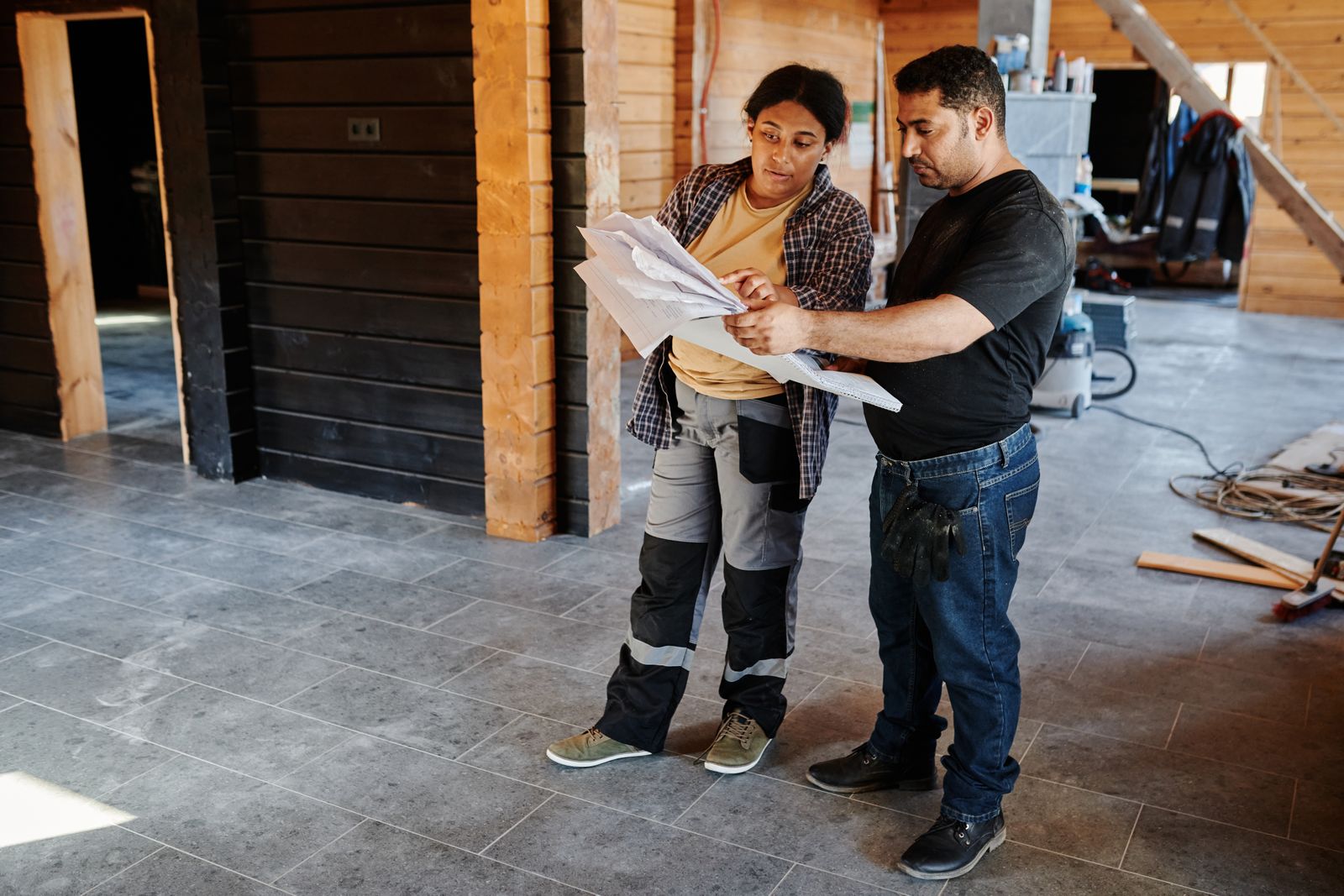
- Seam placement. A seam in the wrong place ruins a good slab. Ask to see the layout drawn on a photograph of your actual slab before the saw runs.
- Edge profile. An eased edge chips less than a sharp one and costs less than a decorative profile. A mitered apron looks thick without the weight of a full thickness slab.
Come to the shop on a Saturday and I will show you the offcut rack. Handling the material tells you more in five minutes than a week of research.